DIY vs Professional Commercial Roofing: What You Need to Know
Plenox Solutions · Leander, TX · Commercial Roofing
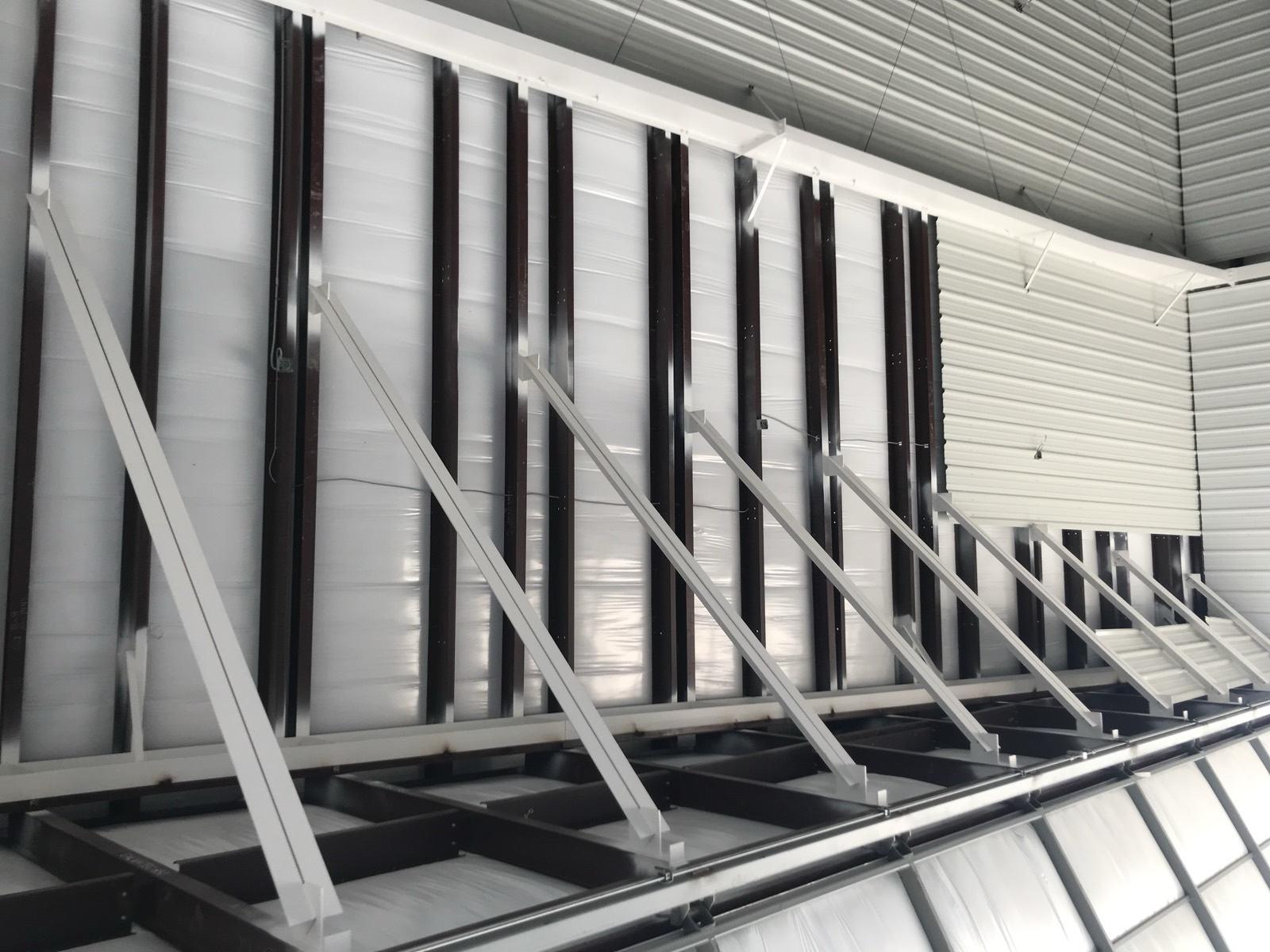
Building owners and maintenance staff handle plenty of things on a property themselves, and that instinct is reasonable. A facilities team that keeps an eye on the roof and stays ahead of small problems saves the building real money. The trick is knowing where the line is. There is a set of roof tasks a competent maintenance person can and should do, and a set that, done in-house, either gets someone hurt or quietly voids the manufacturer warranty on a roof worth tens of thousands of dollars. This is an honest map of which is which.
What Building Staff Can Safely Handle
A good amount of useful roof care is firmly in the DIY zone for a building’s own people, provided they can get on the roof safely. These tasks protect the roof without touching the waterproofing system itself:
- Visual inspections. Walking the roof on a schedule and looking at the seams, penetrations, and terminations, then writing down and photographing anything that looks off. This is the single most valuable in-house task, because it catches problems while they are small.
- Clearing debris. Removing leaves, branches, and windblown trash that collect against curbs and in corners. Debris holds moisture against the membrane and clogs drainage.
- Clearing drains and scuppers. Keeping the drainage paths open so water leaves the roof. A clogged drain causes ponding, which is a leading cause of premature membrane failure in Central Texas.
- Documenting issues. Keeping a dated log of what the roof looks like over time, plus a record of every rooftop service visit by other trades. This record is gold when a leak appears and when an insurer or manufacturer asks for maintenance history.
None of these touch the membrane’s waterproofing or the warranty. They are the eyes-and-housekeeping side of roof care, and doing them well makes the professional side cheaper.
The Line: What Needs a Professional
The moment a task involves cutting, welding, sealing, or otherwise altering the roofing system itself, it belongs to a roofing professional. That includes membrane repairs, re-welding or patching seams, flashing work around penetrations, anything structural, and any repair that the manufacturer warranty governs. These are not DIY jobs, and the reasons are concrete: the work requires the right materials and technique to actually hold, a botched in-house patch usually leaks worse than the original problem, and most importantly, an unauthorized repair can void the warranty on the entire roof.
“Looking at the roof and clearing the drains is smart in-house work. Cutting, welding, or patching the membrane yourself is how a small leak becomes a voided warranty on the whole roof.”
The Warranty Trap Most Owners Do Not See
This is the part that catches building owners off guard. A commercial roof manufacturer warranty almost always requires that repairs and alterations be performed by an approved contractor using approved materials. When a maintenance person climbs up and seals a leak with a tube of the wrong sealant or slaps a patch over a seam, that single in-house repair can void the manufacturer’s coverage on the whole roof, well beyond the patched spot. So the math on a DIY membrane repair is brutal: you saved a service-call fee on a small leak and traded away a warranty that would have covered a major problem later. The caulk gun that seems like a thirty-dollar fix can cost the warranty on a roof worth far more. Before anyone repairs a membrane in-house, the warranty terms need to be checked, and in nearly every case the answer is to call the approved contractor.
Why the Repair Itself Is Harder Than It Looks
Beyond the warranty, membrane repair is genuinely skilled work. A TPO seam repair is a heat weld that has to reach the right temperature across the full overlap, not a strip of tape pressed down by hand. A penetration flashing detail has to account for membrane movement and thermal cycling, or it fails at the next hot-cold swing. A repair on a modified bitumen roof involves materials and methods most maintenance staff are not equipped for. The reason these repairs hold for a pro and fail for a DIYer is not gatekeeping; it is that the technique and the materials are specific, and a roof in the Central Texas heat punishes a weak repair fast. A patch that looked fine in October lifts in the first 160-degree week of summer.
The Working Arrangement That Makes Sense
The best setup for most commercial buildings is a split: in-house staff handle the inspections, the housekeeping, the drain clearing, and the documentation, and a roofing contractor handles every repair, every membrane alteration, and a professional inspection once or twice a year that goes deeper than the in-house walk. The in-house attention keeps small problems from going unnoticed, and the professional repairs keep the warranty intact and the fixes durable. A maintenance team that knows exactly where its line is, capable of catching a problem but disciplined about not patching the membrane itself, is worth a lot to a building owner. See our commercial roofing page and flat roofing page for what we handle.
Building a Relationship With a Commercial Roofer Before You Need One
The split between in-house care and professional repair works best when the building owner has a roofer already in place before the leak shows up. Most owners only call a commercial roofer when water is coming through the ceiling, which means the first contact happens during an emergency, with no history and no leverage. A better arrangement is a standing relationship: a contractor who comes out once or twice a year, walks the roof, writes up what they find, and keeps a file on the building. The cost of those scheduled visits is small against the value of a roofer who already knows your roof when something goes wrong and can prioritize you because you are a known account, not a cold call.
That documented history pays off most when an insurance claim enters the picture. When a hail event or a windstorm damages a commercial roof, the insurer wants to know the condition of the roof before the storm, and a roof with a paper trail of dated inspections and completed repairs is far easier to claim on than one with no records at all. The maintenance log your in-house staff keeps and the professional inspection reports from your roofer together build the case that the damage is storm-related rather than years of deferred upkeep, which is exactly the line an adjuster looks at. A building owner who has both a clean maintenance record and a roofer who can speak to the roof’s history walks into a claim with the documentation already in hand. See our commercial roofing page and commercial roof inspections page for how we set this up.
One practical way to start that relationship is a single documented inspection. Have a commercial roofer walk the roof once, photograph what is up there, and write down the condition of the membrane, the flashings, and the drains. That report costs little, gives your maintenance staff a baseline to check against, and means the contractor already knows your roof when you call about a problem. In Williamson County, where a spring hail event can put every roofer in the county on a waiting list overnight, being an existing client with a file on record is worth more than most owners realize.
Plenox Solutions handles commercial roof repair, maintenance programs, and warranty-preserving service for buildings in Leander, Cedar Park, Round Rock, Georgetown, and across the Austin metro. Call (432) 288-5562 or reach us at our contact page for a free roof review.
Call (432) 288-5562 Free Roof ReviewSee commercial roof work in our project gallery.