Lifetime Workmanship Warranty: What It Actually Means and Why It Matters
Plenox Solutions | Leander, TX | Every job carries a lifetime workmanship warranty
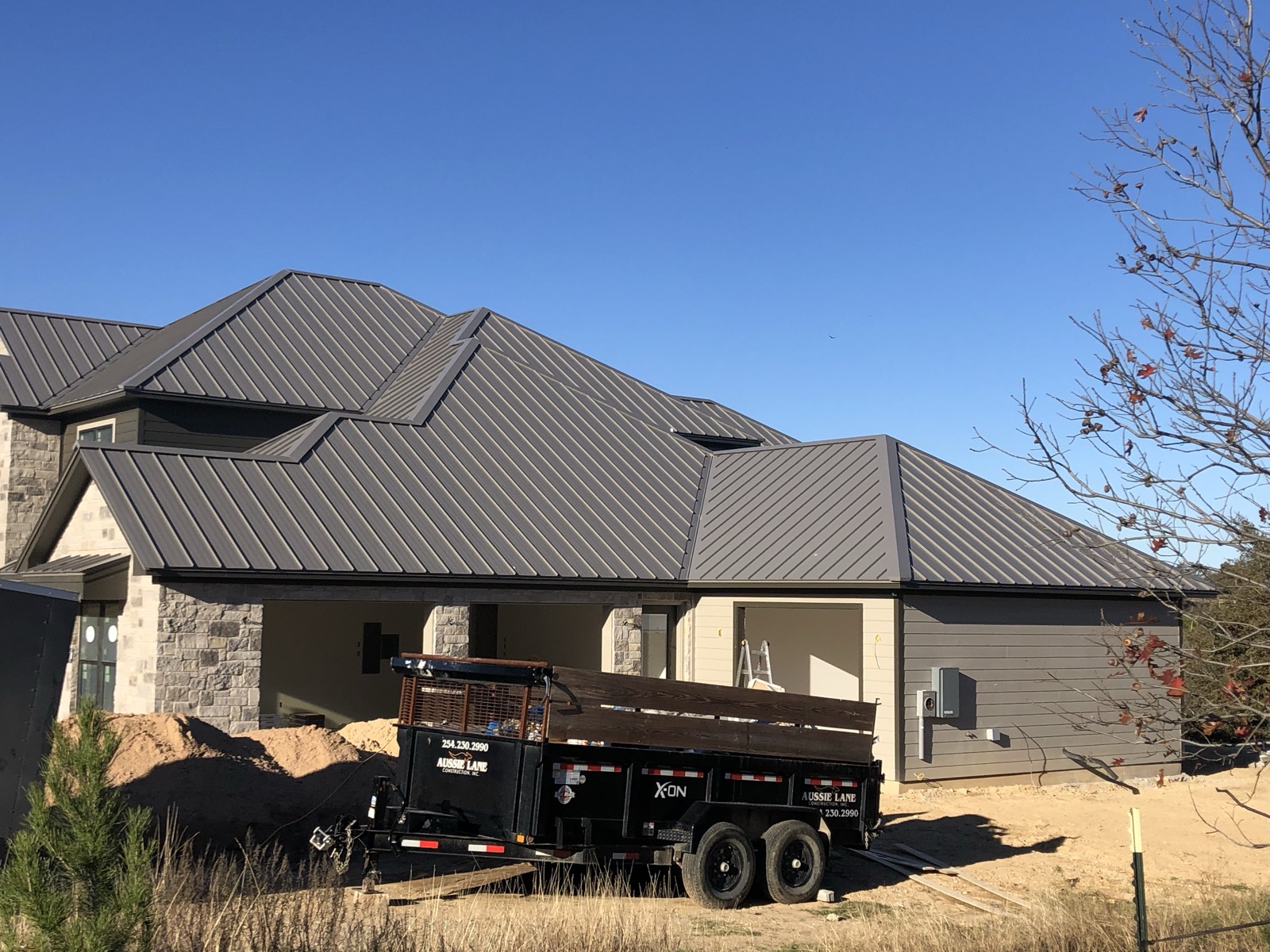
Every roofing company has some version of a warranty in their pitch. Most homeowners cannot quickly explain the difference between the different types, what is actually covered, and why the terms matter. This post is a straightforward explanation of how roofing warranties work, what we provide, and why the 6-year annual weatherproofing we include alongside the lifetime workmanship warranty is the part most contractors do not offer.
Material Warranty vs Workmanship Warranty: They Cover Different Things
A material warranty comes from the manufacturer of the shingles, TPO membrane, or other roofing product. It covers defects in the product itself, such as shingle delamination at the factory, granule adhesion failures outside normal weathering, or TPO membrane cracking at formulation-level weaknesses. It does not cover how the product was installed.
A workmanship warranty comes from the contractor. It covers whether the installation was done correctly. The most common roof failures have nothing to do with the shingles themselves. They happen at flashing transitions, around penetrations like chimneys and HVAC curbs, at valleys, at drip edge terminations, and at any point where two materials meet. These are installation details. A shingle manufacturer’s warranty does not apply to them.
Most roofing contractors offer workmanship warranties in the range of one to ten years. A two-year workmanship warranty means the contractor is willing to stand behind their installation for two years. After that, a failure at a flashing detail is your problem to diagnose and fund, even if it traces directly to how the flashing was installed on the day of the job.
What a Lifetime Workmanship Warranty Actually Says
A lifetime workmanship warranty means the contractor backs the installation quality for as long as the roof system is in service. If a leak develops at a valley or a flashing point five years, ten years, or fifteen years after installation, the contractor comes back, investigates, and makes it right at no additional cost if the failure traces to the original workmanship.
The honest caveat: lifetime workmanship warranties are only meaningful if the contractor is still in business and willing to honor them. A company that goes out of business five years after your installation cannot make good on a lifetime warranty. This is one reason we build lasting relationships rather than move from market to market chasing storm events. We are based in Leander and work Central Texas year-round. The lifetime warranty carries weight because we will be here to back it.
“A warranty is a promise to come back. It is only worth as much as the company’s odds of still being here when you need to call it in.”
Why We Added 6 Years of Annual Weatherproofing
Even a correctly installed roof benefits from periodic attention to the details that take thermal and UV stress year over year. Pipe boot seals, for example, are rubber collars around plumbing vents that are part of every installation. In a Central Texas climate, the UV exposure and temperature cycling degrades standard rubber boot seals faster than in more temperate climates. A boot seal that is fine at installation may start to crack or pull away from the pipe in year three or four. Caught on an annual inspection, this is a twenty-minute fix. Missed until it becomes a leak, it can mean ceiling drywall damage.
The six-year annual weatherproofing program is us coming back to your property once a year for six years to look at the details that age, address any items that need attention, and verify the roof system is performing as it should. No other roofing contractor we are aware of includes this as a standard part of every job. We include it because it is the right way to do the work and because it is how we build the kind of lasting relationships we started this company to have.
Where Warranty Calls Actually Come From
It is worth knowing what a workmanship claim looks like in practice, because it is almost never a field of shingles blowing off. The calls that come in years after an installation cluster around the same handful of details. A valley that was woven instead of cut and lined starts seeping during the long soaking rains we get in fall. A chimney counter-flashing that was surface-caulked instead of let into the mortar joint opens up when the caulk gives out in year four. A satellite mount or solar penetration added after the roof went on gets blamed on the roof itself. A ridge cap nailed with fasteners a half-inch too short starts lifting in the first serious wind event out of the south.
When one of those calls comes in, the process on our end is simple: we come out, we get on the roof, and we trace the water to its entry point before anyone talks about cost. If it traces to our installation, we fix it and the visit costs you nothing. If it traces to something else, storm impact, another trade’s penetration, a tree strike, we document what we found, explain it plainly, and tell you what the repair involves. Either way you get a diagnosis instead of an argument. That is the entire value of hiring a company that expects to take these calls, and it is why we write the coverage down instead of leaving it as a line in a sales pitch.
How This Compares to a Typical Roofing Bid
When you compare bids from multiple contractors, the low bid rarely includes this follow-through. The low bid is typically for the materials and labor to put the roof on, a short workmanship warranty, and that is the end of the relationship. If something goes wrong in year five, you are calling a company that may or may not pick up the phone, and negotiating over whether the failure is covered by their definition of the warranty terms.
We charge more than the lowest bid in the market. The difference pays for the warranty, the annual visits, the OSHA-certified crew, and the business model we built around long-term relationships rather than one-time jobs. That is the honest accounting of it. Whether that difference is worth it to you is a decision for you to make. We think it is, which is why we built the company this way.
What to Ask a Contractor About Their Warranty
When you are comparing bids, the warranty section deserves direct questions because the terms vary widely and the marketing language is often vague. Ask how long the workmanship coverage runs and what specifically it covers. A warranty that covers “the roof” without naming the installation details is weaker than one that names flashing, valleys, penetrations, and terminations. Ask whether the warranty is transferable if you sell the house, because a transferable workmanship warranty is a selling point and an honest signal that the contractor expects to stand behind the work long term. Ask how a claim is handled in practice: who you call, how fast they respond, and whether the inspection to diagnose the leak is at your cost or theirs.
Ask about the company’s history in the area as well. A warranty from a contractor who has worked Williamson County for years and has a verifiable local project record is a different thing from a warranty handed to you at the door by a crew that arrived after the last hail storm. The paperwork can read identically. The difference is whether anyone will answer the phone in year six. We put our terms in writing, we make the workmanship coverage clear, and we include the annual weatherproofing visits as part of the deal rather than as an add-on you have to remember to buy.
Plenox Solutions covers Leander, Cedar Park, Round Rock, Georgetown, and the full Central Texas region. Every job gets the lifetime workmanship warranty and six years of included annual weatherproofing.
Call (432) 288-5562 Get a Free Roof ReviewRead more about our approach in our storm restoration and metal roofing service pages, or see completed projects in our project gallery. If you have questions about what a warranty actually covers on a specific job, call (432) 288-5562 and ask. We will give you a straight answer.