TPO Roofing in Leander
TPO is a single-ply membrane that gets heat-welded into one watertight skin. Plenox is licensed and insured, installs it on flat and low-slope roofs across TX, and backs every job with a lifetime workmanship warranty.
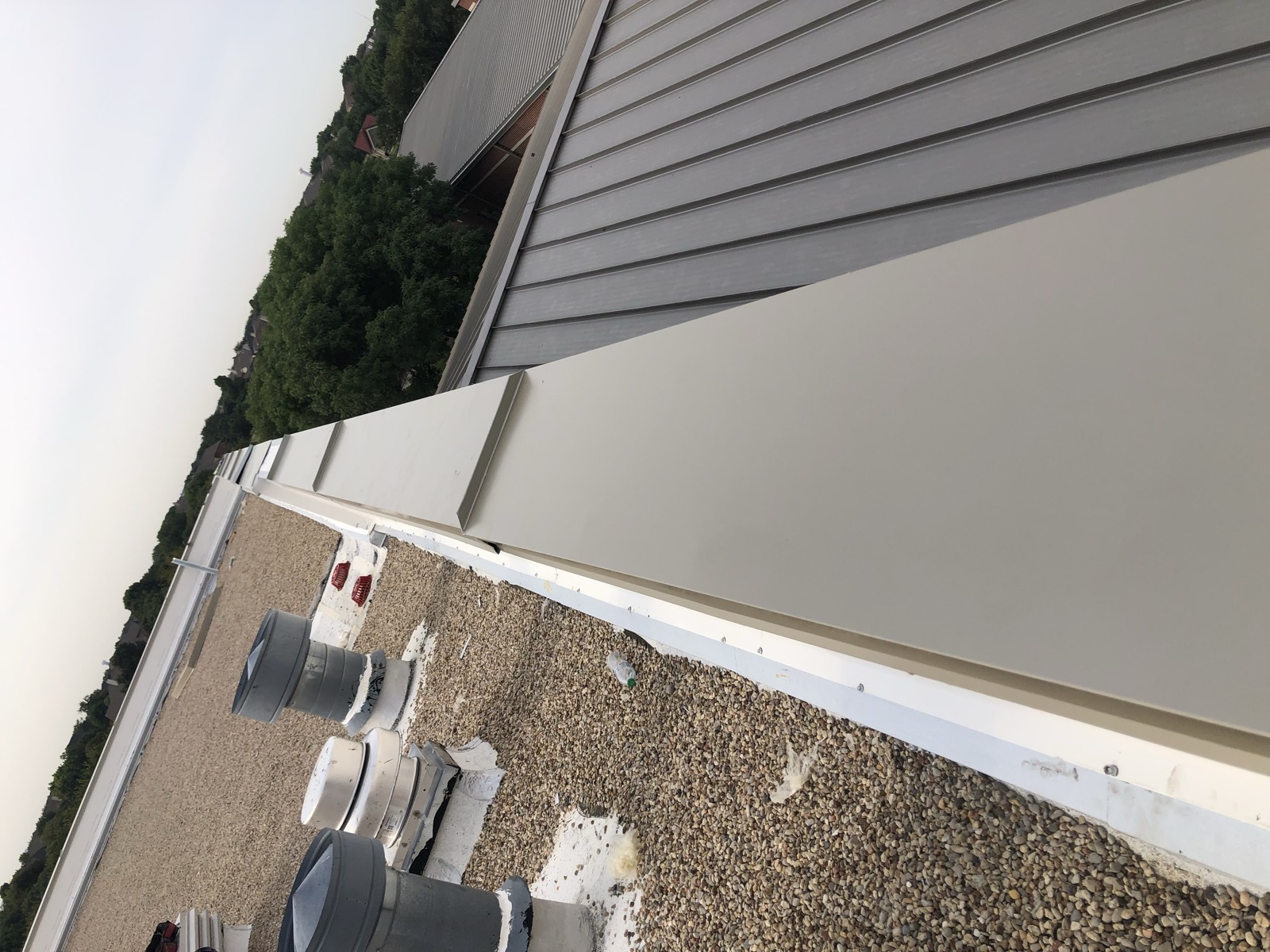
What TPO is, and why it works on a flat roof
TPO stands for thermoplastic polyolefin. In plain terms it is a tough, reflective single-ply sheet that rolls out across a low-slope deck and gets heat-welded at every seam into one continuous surface, with no glue line to dry out and let go. That hot-air weld is the whole point: a welded seam is the membrane fused to itself, so the seam is as strong as the field around it. Glue eventually fails. A clean weld does not.
Glue eventually fails. A clean weld does not.
The other reason TPO earns its place in TX is the color. The standard sheet is white and reflective, so it bounces the summer sun back off the roof instead of soaking it in. That keeps the deck cooler, slows how fast the membrane ages in our heat, and on a commercial building it takes load off the cooling bill all summer. For a flat or low-slope roof in Central TX, that combination of a welded seam and a reflective surface is hard to beat.
Plenox installs TPO on residential flat sections, full commercial fields, additions, porches and any low-slope roof that needs a sealed single-ply system. We weld and probe every seam, flash every curb and pipe by hand, and detail the edges so wind cannot peel the membrane back. When you are ready, your free roof quote costs nothing and the visit is no-obligation.
What TPO roofing covers
- New TPO membrane installation
- Heat-welded single-ply seams
- Tear-off and re-cover over old systems
- Reflective white energy-saving sheet
- Curb, pipe and edge flashing by hand
- Tapered insulation and re-slope
- Residential flat sections and full commercial fields
How we put a TPO roof down
No numbered circles, no sales theater. Here is the order we work in on a single-ply membrane roof, every time.
We get on the deck and check what is under there
A membrane is only as good as the deck it sits on. Before anyone talks price we get up top, find the soft spots, the ponding low points and any wet insulation, and decide whether the old roof can take a re-cover or needs a full tear-off. A reflective sheet welded over a rotted deck is a problem you pay for twice.
We set the slope and the insulation first
If water ponds, we build the slope back in with tapered insulation before a single roll of membrane goes down. That gives the water a path to the drains so it clears after a TX downpour instead of standing on the weld lines. The insulation layer also gives the white sheet something solid and dry to bond to.
We heat-weld and probe every seam
This is where a TPO roof is made or lost. We run a hot-air welder down every seam, then walk the whole roof with a probe and test each weld by hand. A seam that does not pass gets re-welded on the spot. Every curb, pipe, drain and wall gets flashed and welded into the field so the roof is genuinely one piece.
We stand behind it for life
The finished membrane carries a lifetime workmanship warranty plus six years of weatherproofing done annually, included. On a single-ply roof that annual visit pays off, because we catch a lifted edge or a stressed weld in year three and re-seal it long before it ever reaches the ceiling below.
Why a welded seam beats a glued one in TX heat
Central TX puts a single-ply roof through a brutal cycle. The summer sun bakes the membrane with UV and surface heat that runs far above the air temperature, the sheet expands and contracts every single day, and then spring brings hail and the kind of wind that wants to grab any loose edge and peel it. A roof system here has to survive all of that without opening up. A glued or taped seam is the first thing to give under that stress, because the adhesive ages, gets brittle, and lets the two sheets work apart at exactly the seam line. A hot-air weld does not have that weak link: the two sheets are fused into one material, so there is no glue to fail and the seam moves with the rest of the roof.
The reflective white surface is the second half of why TPO fits this climate. A dark roof in TX can soak up enough sun to cook the deck and everything stored under it; a white TPO sheet bounces most of that heat back, so the building runs cooler and the membrane itself ages slower in the sun. We pair that with ventilation done the way Lomanco taught us, so heat and moisture are not trapped under the membrane working on the structure from the inside. If your existing flat roof failed at the seams or is splitting from age, that is usually a sign of a glued system at the end of its life, and a welded TPO re-roof is the fix. The same crew also handles flat roofing, commercial flat roofs and storm restoration, so the whole low-slope picture gets handled by one team. See finished work in our project gallery.
Heat-welded single-ply membrane and edge detail
Backed in writing, not just promised
The thing that makes a TPO roof last is not the brand printed on the roll, it is who welded the seams and what stands behind the work. Our crews are OSHA certified, so the install meets the safety and quality standard the trade is supposed to hold, and we are Lomanco-certified in attic ventilation design, which on a low-slope membrane keeps trapped heat and moisture from working on the deck from underneath.
Every TPO roof carries a lifetime workmanship warranty: we stand behind how the membrane was welded and detailed for as long as you own the building. On top of that, the job includes six years of weatherproofing done annually, so a tech is back on your roof each year checking the welds and re-sealing small issues before they grow. That is how a single-ply roof, the kind that is easy to ignore until it leaks, actually goes the full distance.
TPO roofing, answered
The questions homeowners and property managers ask us most about single-ply membrane. Not sure which applies to your roof? Call and we will tell you straight.
Call (432) 288-5562What does TPO actually stand for?
TPO is thermoplastic polyolefin, a single-ply roofing membrane made for flat and low-slope roofs. It rolls out across the deck in wide sheets and the seams are joined with a hot-air welder rather than glue or tape. Because the seams are welded, the membrane behaves like one continuous waterproof skin instead of a patchwork of sheets stuck together.
Is TPO better than a glued or torch-down flat roof?
For most low-slope roofs in TX, a welded TPO system holds up better over time. The weak point on older flat roofs is almost always the seam, and a glued or taped seam ages and lets go while a hot-air weld stays fused. The reflective white surface also keeps the roof and the building cooler in our heat. We still use modified-bitumen where it fits a specific detail, but for the open field of a flat roof, welded TPO is usually the call.
Can TPO go over my existing flat roof?
Sometimes, yes. If the deck is sound and the existing roof is not holding water in the insulation, a re-cover with new insulation and a fresh welded membrane is a real option and it saves the cost and mess of a full tear-off. We make that call after we get on the roof and check what is under the surface. If the deck is wet or rotted, a re-cover only hides the problem, so we tear off instead.
Why is a TPO roof white?
The standard TPO sheet is white because the color is reflective. In TX that matters: a white roof bounces most of the summer sun back instead of soaking it in, which keeps the deck cooler, slows how fast the membrane ages, and on a commercial building takes load off the air conditioning all summer. It is one of the practical reasons TPO fits a hot climate so well.
How long does a TPO roof last?
A properly welded and detailed TPO roof gives you a long service life when the slope, drainage and seams are done right and it is maintained. The seams and the edge details are what decide it, which is exactly why we probe every weld and flash every curb by hand. We also include six years of annual weatherproofing so the welds get checked each year, and the whole job carries our lifetime workmanship warranty.
Does TPO work on commercial buildings, not just homes?
Yes, TPO is one of the most common single-ply systems on commercial and low-slope buildings, and we install it on both. We handle residential flat sections as well as full commercial fields, which you can read more about on our commercial flat roofs page. Whether it is a home addition or a warehouse, the welded-seam method is the same.
Tell us about your flat or low-slope roof
We started Plenox to do it the right way and build lasting relationships, so the first thing we do is come look. Tell us what your roof is doing and we will give it to you straight. Your free roof quote costs nothing and you are under no obligation.
TPO roofing in Leander and across TX
Home base is Leander and the Austin metro, but the crew travels statewide for the right single-ply job. A few of the cities we cover:
See every service area →