How to Maintain TPO Roofing in Leander, TX So It Lasts Longer
Plenox Solutions · Leander, TX · Commercial Roofing
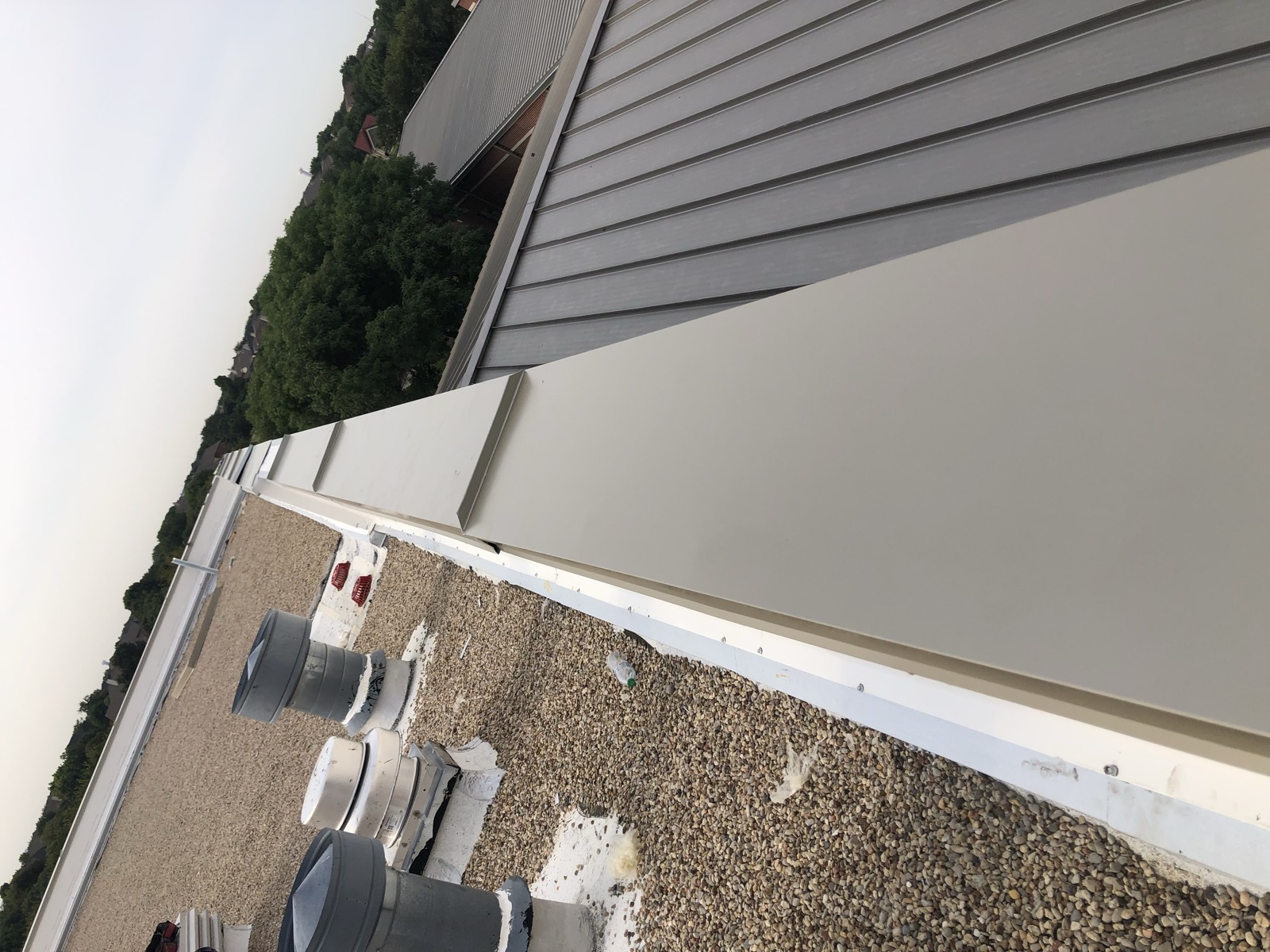
A TPO roof is a low-maintenance system, not a no-maintenance one. The reflective single-ply membrane holds up well under Central Texas UV without the recoating cycle that a modified bitumen roof needs, which is part of why it became the commercial standard. But the parts of a TPO roof that fail are predictable, and almost all of them are catchable before they leak if someone actually looks. A Leander building owner who builds a simple maintenance habit gets the full service life out of the membrane. One who installs it and forgets it loses years to problems that were a small repair when they started.
Know Where a TPO Roof Actually Fails
TPO does not usually fail in the open field of the membrane. It fails at the seams and at the penetrations, which is where your attention belongs. The heat-welded seams that join the membrane sheets are the first place to watch, because a seam that starts to lift or separate opens a path for water under the membrane. The flashing details around HVAC curbs, pipe penetrations, drains, and parapet terminations are the second. Knowing this changes maintenance from a vague “check the roof” into a focused walk of the seams and the penetrations, which is what makes a routine inspection quick and worthwhile.
Inspect the Seams on a Schedule
The single most valuable maintenance habit on a TPO roof is a seam inspection twice a year, ideally spring and fall. Walking the seam runs and looking for lifting edges, gaps, or any spot where the weld looks like it is releasing catches the problem while it is a small weld repair. A lifted seam caught at inspection is a quick fix. The same seam missed for a season lets water track under the membrane and into the insulation, and by the time it shows at the ceiling the repair has grown into a tear-out of wet insulation and deck. The seam check is the difference between a maintenance line item and a claim.
Keep the Membrane Clean
A reflective white TPO membrane works partly by staying light-colored, and a roof caked in dirt, organic debris, and biological growth loses some of that reflectivity, which means a hotter membrane and more thermal stress. Periodic cleaning keeps the surface doing its job and, more practically, lets you actually see the membrane during an inspection. You cannot evaluate a seam you cannot see. Clearing leaves, branches, and the windblown debris that collects in the corners and against the curbs is part of basic upkeep, and it pairs naturally with the seam walk.
“A TPO roof tells you where it is going to fail. It fails at the seams and the penetrations. Walk those twice a year and you catch almost everything before it leaks.”
Watch the Drainage and Ponding
TPO handles occasional water fine, but standing water that sits for more than a couple of days after a rain is a problem worth chasing. Ponding adds weight the roof was not designed to carry, accelerates membrane breakdown in the standing area, and signals a drainage issue: a clogged drain, a blocked scupper, or a low spot that needs attention. Part of every maintenance visit should be clearing the drains and scuppers and noting where water is sitting. In Leander, debris and the occasional hailstorm both contribute to clogged drainage, so the drains earn a look after any significant storm.
Manage Rooftop HVAC Traffic
The biggest avoidable threat to a TPO membrane on a commercial building is foot traffic from rooftop trades. HVAC technicians, satellite installers, and other service crews walk the roof, drag tools and panels across the membrane, drop screws that get walked into the surface, and reposition condensate lines without a pad. Most of the TPO punctures we trace on Leander buildings come from this, not from weather. Two habits cut the risk: require that all rooftop service visits be logged so you have a date to work from when a leak appears, and install walkway pads along the routes technicians use to reach the equipment. Protecting the membrane from the people who service the building is real maintenance.
Maintain the Sealant at Penetrations
The flashing details at penetrations rely on sealant and termination at the top edge, and sealant ages. The pourable sealer in a pitch pocket, the caulk at a termination bar, and the sealant where a pipe boot meets the membrane all dry out and crack over years of Central Texas heat cycling. A maintenance walk should check each penetration and re-seal any detail that is showing age before it becomes an entry point. These are minutes of work that prevent the slow leaks that are hardest to find later.
Know When to Recoat Versus Replace
A TPO roof that has been maintained and is approaching the back end of its service life can sometimes be extended with a compatible roof coating rather than replaced outright, provided the membrane is sound, the seams are intact, and a moisture survey confirms the insulation underneath is dry. A coating buys added years on a roof that is worn but not failed. When the membrane is brittle, the seams are giving out across the field, or the survey finds wet insulation, a coating only buries the problem and replacement is the honest answer. The way to keep that decision in your favor is the maintenance itself: a roof that gets the twice-yearly seam and penetration attention reaches recoat candidacy in good shape, while a neglected roof skips straight to replacement. See our TPO roofing page and commercial roofing page for detail.
What a Professional TPO Inspection Includes
The in-house walk catches the obvious, but a professional TPO inspection goes deeper, and knowing what it covers tells you why it belongs on the schedule once or twice a year. It starts at the seams. A roofer probes the welds with a seam tool rather than eyeballing them, because a seam can look closed from above and still be cold-welded or peeling underneath, and the probe finds the weak spot before water does. The inspector then works every penetration and flashing detail, checking the pitch pockets, the pipe boots, the curb flashings, and the termination bars for cracked sealant and any membrane pulling away at the top edge. These transitions are where commercial TPO leaks almost always begin, so they get the closest look.
From there the inspection covers drainage and the field of the membrane. The roofer checks that the drains and scuppers run clear and that water is leaving the roof instead of ponding, since standing water is a leading cause of early membrane failure in this climate. The field gets walked for punctures, abrasion under rooftop traffic paths, and any blistering or wrinkling that signals trouble below. When the inspection turns up signs that moisture may have gotten into the assembly, the next step is a moisture survey, and where a reading is uncertain the roofer takes a small core sample to see the actual condition of the insulation and deck under the membrane. The walk ends with a written, dated report and photos, which feeds the maintenance history that protects the warranty and supports any future claim. See our TPO roofing page and commercial roof inspections page for detail.
Plenox Solutions provides TPO inspection, repair, and maintenance programs for commercial buildings in Leander, Cedar Park, Round Rock, Georgetown, and across the Austin metro. Call (432) 288-5562 or reach us at our contact page for a free roof review.
Call (432) 288-5562 Free Roof ReviewSee commercial membrane work in our project gallery.