Why Surface Prep Makes or Breaks Commercial Roof Restoration in Central Texas
Plenox Solutions · Leander, TX · Commercial Roofing
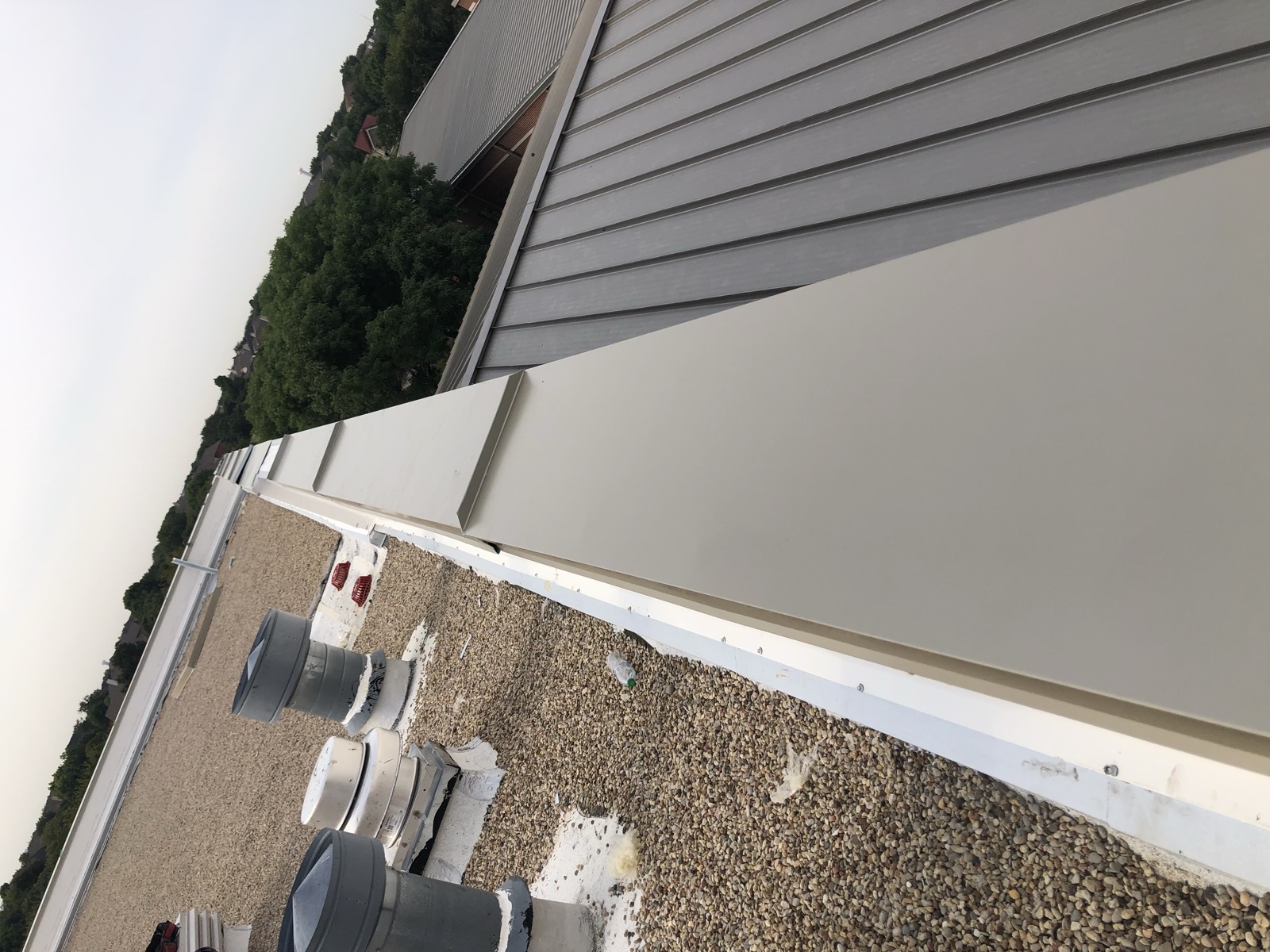
A roof restoration coating is a strong option for a worn but sound commercial roof in Central Texas. Applied over an aging membrane, a quality coating can add years of waterproofing and reflectivity without the cost and disruption of a full tear-off. But the coating itself is the easy part. What decides whether the restoration lasts ten years or peels off in two is the prep underneath it, and prep is where the corners get cut on a low bid. A coating bonds to whatever you put it over. Put it over a dirty, wet, or unrepaired membrane and you have sealed the problem in instead of fixing it.
A Coating Is Only as Good as What It Bonds To
The whole premise of a roof restoration is adhesion. The coating has to form a continuous, well-bonded layer across the entire roof for it to waterproof. Anywhere the bond is weak, contamination, moisture, or a defect that was not repaired, the coating fails at that spot first, and a coating that fails in patches is worse than no coating, because water gets under it and tracks sideways before it shows. That is why every credible restoration spends real time and labor on prep before a drop of coating goes down. When a restoration bid comes in surprisingly low, the prep is almost always what got shorted.
Cleaning and Power-Washing the Membrane
The first prep step is getting the roof clean. Years of dirt, organic debris, chalking, and biological growth accumulate on a commercial membrane, and a coating will not bond to a contaminated surface. The roof gets cleared of debris and then power-washed to remove the embedded grime, and on some surfaces a cleaning solution is needed to cut chalk and growth that water alone will not lift. The roof then has to dry fully before coating, which is part of why timing and weather matter. A coating applied over a surface that only looks clean, or one that is still damp from washing, releases from the membrane no matter how good the product is.
Repairing Seams and Punctures Before Coating
A restoration coating is a waterproofing layer, not a structural repair. It will not bridge an open seam or fill a puncture on its own and hold. Every seam separation, every puncture, every failed flashing detail, and every soft or damaged area has to be repaired before the coating goes on. On a TPO roof that means re-welding lifted seams; on a modified bitumen roof it means addressing blisters and lap failures; on any roof it means flashing the penetrations properly. Coating over an unrepaired defect just paints over a leak that is going to keep leaking under a new skin. The repair work is the part of a restoration that takes skill and time, and it is the part that determines the outcome.
“A coating does not fix a roof. The prep fixes the roof, and the coating protects the fix. Skip the prep and you have sealed the leak in instead of out.”
Adhesion Testing
Not every aging membrane is a coating candidate, and the way to know is to test. An adhesion test applies the coating to a small section of the prepped roof, lets it cure, and checks whether it actually bonded to that specific membrane in its current condition. Some older or heavily weathered membranes will not hold a coating well, and finding that out on a test patch is far cheaper than finding it out across the whole roof after the job is done. A restoration contractor who skips adhesion testing on an unfamiliar or heavily aged roof is gambling with the building owner’s money. The test is a small step that prevents the expensive failure.
The Moisture Survey Comes First
The most important prep step happens before any of the others: confirming the roof is dry underneath. A restoration coating is vapor-resistant by design, which means it traps whatever moisture is already in the assembly. If the insulation under the membrane is wet in places and you coat over it, you seal that water in, and the trapped moisture rots the deck and breaks down the assembly from below while the new coating looks fine on top. A moisture survey, using infrared, capacitance, or core sampling, maps where the roof is wet before any decision is made. Wet areas get cut out and replaced; a roof that is wet across large areas is not a restoration candidate at all and needs replacement. Skipping the moisture survey is the single biggest reason a commercial restoration fails early.
What an Honest Restoration Proposal Includes
A commercial restoration worth buying spells out the prep in detail, not only the coating. It names the cleaning method, states that seam and penetration repairs are included and how they will be done, calls for a moisture survey and adhesion testing, and describes what happens if wet areas are found. A proposal that is just “clean and coat” with a price is a proposal that has skipped the parts that make a restoration last. The coating product matters, but the prep is where a restoration is won or lost, and it is the first thing to scrutinize when you compare bids. See our commercial roofing page and flat roofing page for the work we do.
What Skipping Prep Costs the Building Owner
It helps to follow the money on a restoration where the prep got skipped, because the savings are real on day one and the bill comes back larger later. A “clean and coat” crew that pressure-washes lightly, skips the seam and penetration repairs, runs no adhesion testing, and never pulls a moisture survey can come in well under an honest proposal. The owner signs the lower number, the coating goes on, and the roof looks new for a season or two. The trouble is that none of the problems the prep was supposed to find went away. The cracked seams are still cracked under the coating, the failing flashings are still failing, and any wet insulation is now sealed in under a vapor-resistant skin that will not let it dry.
The failure timeline is the part owners do not see coming. A restoration that skipped prep typically starts showing leaks inside the first one to three years, well before the coating’s stated warranty, and when the manufacturer is called the answer is that improper surface preparation voids the coating warranty, so the coverage that was part of the pitch is gone. Now the building owner is paying twice: once for the coating that failed, and again to remove it, do the prep that should have happened the first time, repair the deck that rotted under the trapped moisture, and recoat properly. The deck repair alone can cost more than the entire original job, because the water that got sealed in had years to work on the structure. The prep is not the expensive part of a restoration to add up front; it is the cheap insurance against doing the whole job a second time. See our commercial roofing page and commercial roof inspections page for how we approach it.
Plenox Solutions provides commercial roof restoration and coating, with full prep and moisture surveys, for buildings in Leander, Cedar Park, Round Rock, Georgetown, and across the Austin metro. Call (432) 288-5562 or reach us at our contact page for a free roof review.
Call (432) 288-5562 Free Roof ReviewSee restoration and commercial membrane work in our project gallery.