Round Rock Hail Season: What to Do After a Storm Hits Your Roof
Plenox Solutions | Leander, TX | Roofing contractor serving Round Rock and Williamson County
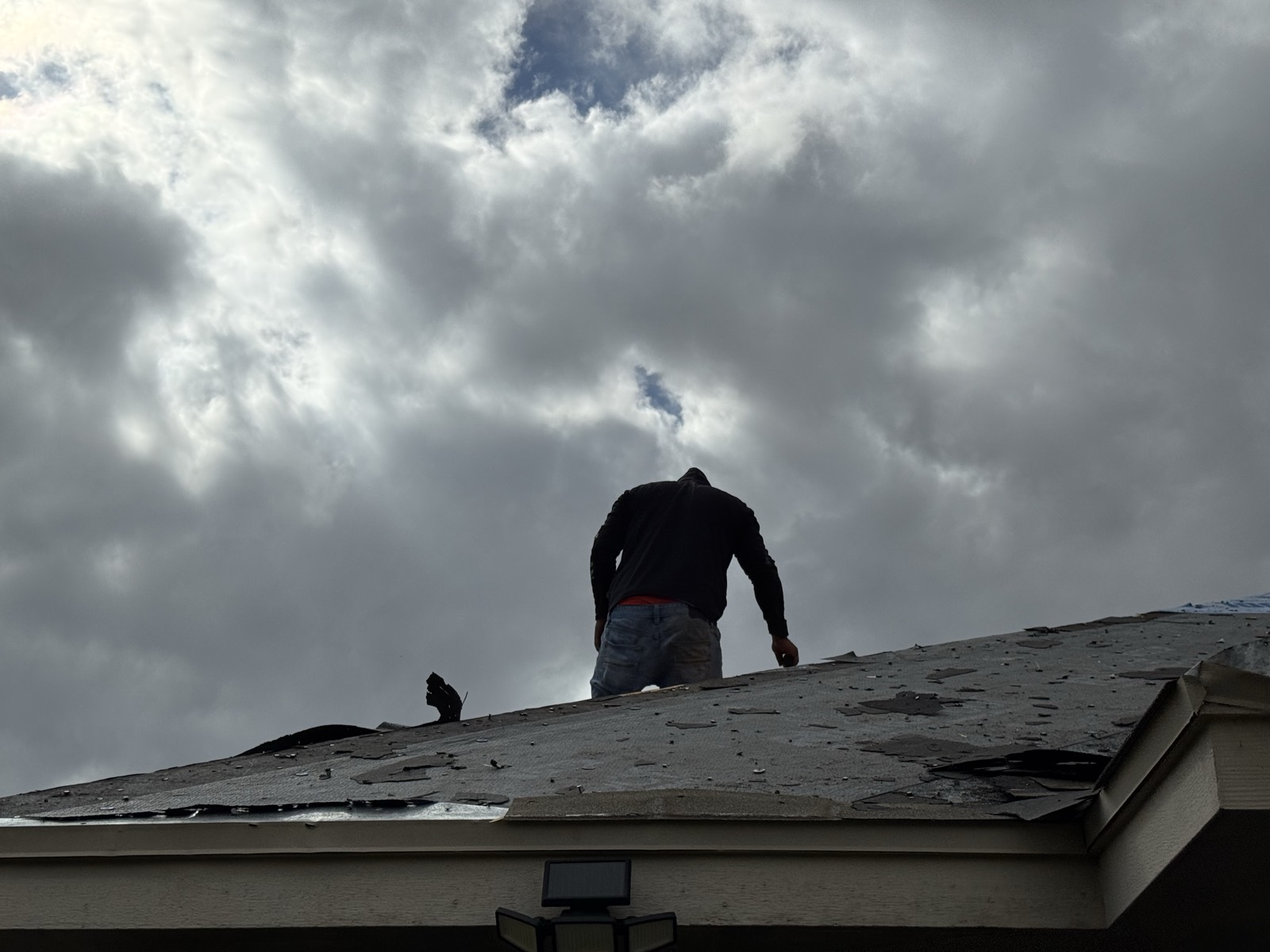
Round Rock gets hail. That is a fact of living in Williamson County. The question after a storm rolls through is not whether to take it seriously but what to actually do in the first 48 hours before an adjuster shows up, before contractors start ringing doorbells, and before the window closes on making a proper insurance claim.
We have been on a lot of Round Rock roofs after hail events. Here is a straight account of what to do, in order, when a storm hits your neighborhood.
Step One: Check the Obvious Signs from the Ground
Before anyone gets on the roof, a ground-level check gives you useful information. Look at your gutters. After a real hail event, gutters collect granules that shook loose from the shingles on impact. A layer of gritty dark material in the downspout splash blocks is a reliable indicator. Also look at any exposed metal: AC units, window screens, satellite dish arms, garage door panels. Fresh dents with disturbed paint on these surfaces tell you the hail had enough size and velocity to cause damage.
If you see both of those things, it is worth scheduling an inspection. If you see neither, the storm may have missed your specific property, or the hail may have been too small to cause real damage.
Step Two: Do Not Get on the Roof Yourself
The wet asphalt granules on a shingle roof after a storm are slippery. People fall. Beyond the safety issue, inspecting a roof without knowing what hail damage actually looks like means you can easily miss it, report the wrong information to your insurance company, or disturb evidence before the adjuster visits. Let a qualified contractor do the roof inspection.
Step Three: Document Interior Conditions
Before the roof inspector arrives, walk your attic if you can access it safely. Use a flashlight to look for water staining on the decking or daylight coming through. Check ceilings on the top floor for any new water stains. Note the locations and photograph them with a timestamp. This is useful if an interior damage claim becomes part of the insurance process.
“Documentation wins claims. Timestamped photos of the gutters, the dented metal, and any interior staining are worth more than anything you can say to an adjuster after the fact.”
Step Four: Call a Contractor Before Calling Your Adjuster
This is the part most homeowners get backwards. Insurance adjusters work from a checklist and move quickly, often spending less than twenty minutes on a large roof. A contractor who has inspected the full roof surface before the adjuster arrives can walk through the specific damage points with the adjuster and make sure nothing gets left off the scope. If you call your adjuster first, they may complete their inspection and close the scope before a contractor has a chance to flag items they missed. Call (432) 288-5562 to schedule an inspection before the adjuster appointment.
Step Five: Watch Out for Storm Chasers
After a significant hail event hits a ZIP code, out-of-town contractors arrive within days, going door to door and sometimes offering to waive deductibles. Deductible waivers are insurance fraud in Texas. Companies that offer them are either planning to inflate the claim scope or planning to cut corners on the work. Use a local contractor you can verify and hold accountable after the job is done. We are based in Leander and work this area full time. We will be here after the claim closes.
Step Six: Understand the Claim Timeline
Texas homeowners insurance policies have claim filing deadlines. Most require filing within one year of the loss, though the specific window depends on your policy. Do not wait on this. A roof that was damaged in April and goes uninspected until fall may develop secondary water damage that complicates the claim. The faster you move through the inspection and adjuster process, the cleaner the claim.
Protect the House While the Claim Moves
Your policy puts a duty on you to prevent further damage after a loss, and carriers take it seriously. If the storm opened the roof anywhere, broken shingles over a bedroom, a punctured ridge, displaced flashing, get it tarped properly within days, not weeks. Keep the receipt, because emergency tarping and mitigation costs are typically reimbursable under the claim. What you do not want is a second rain event sending water through a known opening while the claim is pending, because the carrier can treat that interior damage as neglect rather than storm loss and carve it out of the settlement. We handle emergency tarping for Round Rock homeowners as part of storm response, and we photograph the opening before and after the tarp goes down so the mitigation itself is documented.
What a Plenox Hail Inspection Covers in Round Rock
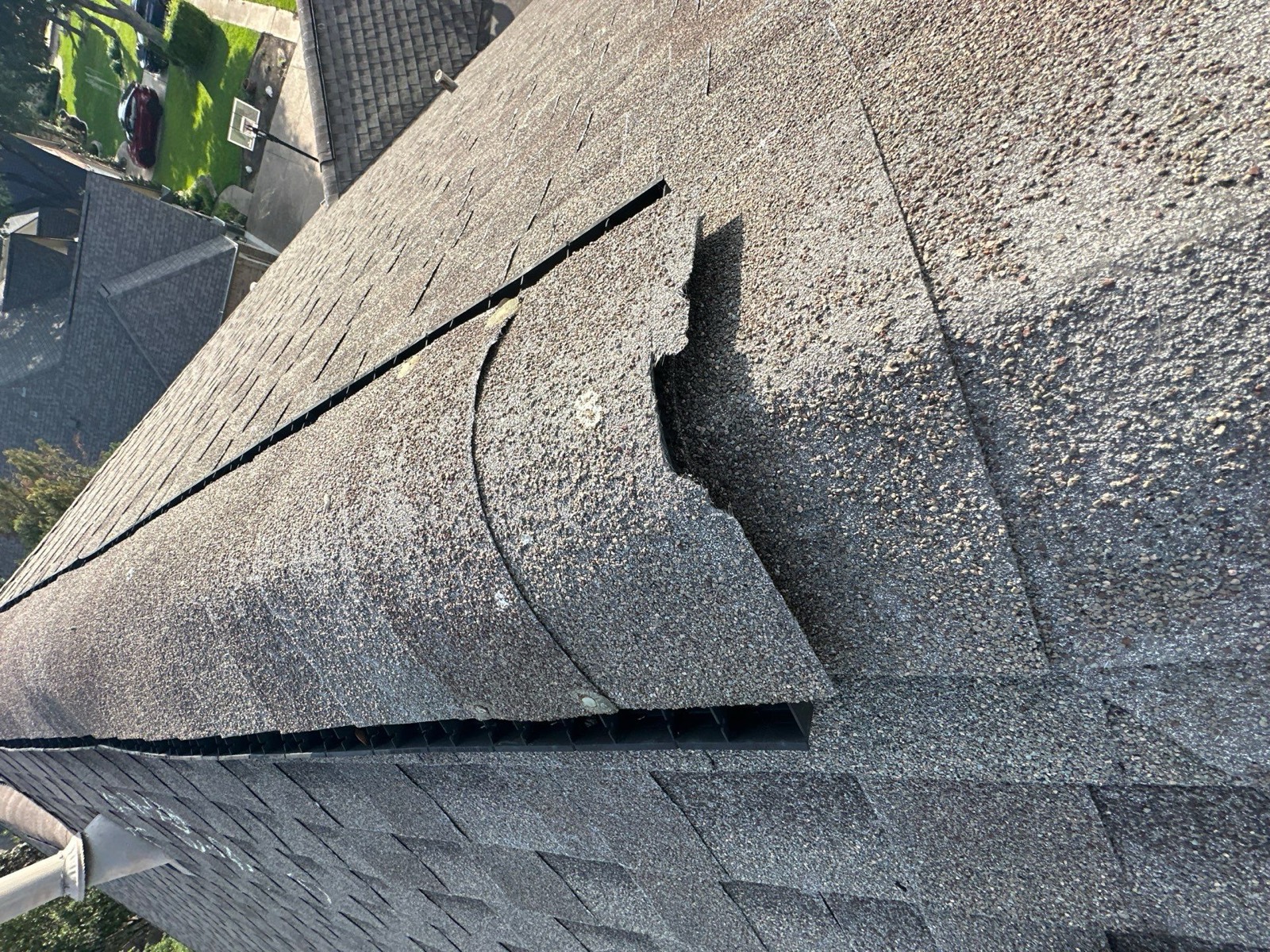
A hail inspection that holds up with an adjuster is more than a glance from the driveway, and the order we work in matters. We start with a drone pass over the whole roof to map the slopes and flag the areas taking the most impact, which gives us an aerial record before anyone sets foot on the surface. Then we get on the roof and check the soft metals first, because those tell the truth about hail size. Dents in the vents, the metal pipe boots, the drip edge, and the gutters confirm that hail of damaging diameter actually hit your address, which is exactly the evidence an adjuster needs to see. From there we move to the shingle field and run a granule test, marking off test squares on each slope and counting the impact bruises so the damage gets documented as a density across the roof, not a single photo.
We do not stop at the shingles. We collect granules from the gutter and downspout discharge points, since heavy granule loss into a tray is direct evidence of surface impact. Then we go inside and check the attic for daylight, staining, or fresh moisture at the decking, because a storm strong enough to bruise shingles can also drive water past flashing details. Every finding gets photographed and noted by slope and location so the report we hand you, or walk through with your adjuster, lines up point for point with the actual damage. That documentation is what keeps items from getting left off the scope when the adjuster is moving fast across a Round Rock roof.
Plenox Solutions serves Round Rock, Leander, Cedar Park, Georgetown, and Williamson County. If your roof took a hit in a recent storm, call for a free inspection before the adjuster comes out.
Call (432) 288-5562 Schedule InspectionWhat Hail Damage Actually Looks Like
On asphalt shingles, hail damage shows as circular impact marks with granule loss at the center. In some cases the asphalt mat is exposed. On a fresh hit, the exposed asphalt has a dark bruised appearance. As it ages, UV hits the exposed area and the shingle begins to deteriorate faster at those points than the rest of the surface. That is why hail damage that looks minor in spring can become a leak in two or three years.
On metal accessories (ridge cap vents, flashing, drip edge, gutters), hail shows as bright circular dents where the paint was disturbed by the impact. These dents do not affect function but they are reliable evidence of a storm event for insurance documentation purposes.
After the Inspection
If the inspection shows legitimate damage, we prepare documentation and assist with the adjuster meeting. We stay on the job from inspection through completion and back annual weatherproofing for six years after any restoration we perform. If the inspection shows no damage worth claiming, we tell you that straight and you owe us nothing for the inspection. That is how we want to do business in Round Rock. See our hail damage repair page and our storm restoration page for more detail. View completed work in our gallery.